For teenagers and young adults diagnosed with cancer, the hardest part isn’t always the treatment.
For teenagers and young adults diagnosed with cancer, the hardest part isn’t always the treatment.
It’s everything around it.
“Some people, cancer is like a project for a few months that they have, right? Depending on the severity of their disease, other people, it completely ruins their lives,” said Christabel K. Cheung, PhD, MSW, an associate professor at the University of Maryland School of Social Work. “They get divorced. They lose their job; they go into financial debt.”
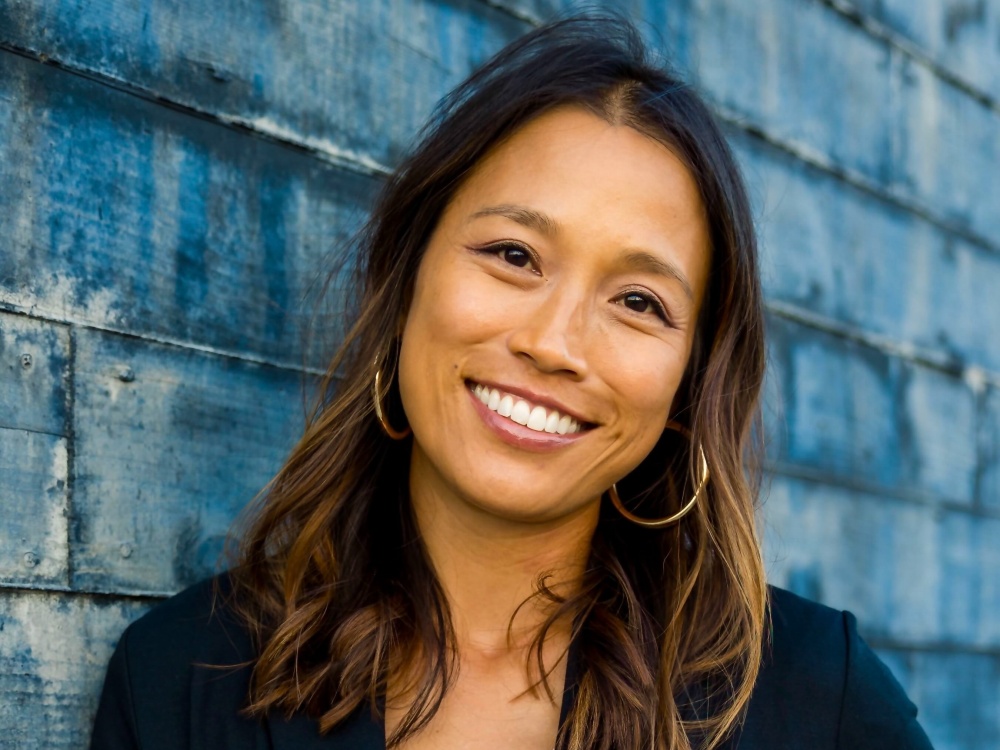
Cheung personally knows the struggles a young cancer patient faces. She is a two-time Hodgkin lymphoma survivor and bone marrow transplant recipient. Her experience navigating cancer as a young adult now drives her research — and a new project aimed at fixing what she sees as a fundamental gap in care.
Her latest grant, “Right Care, Right Time: Improving Psychosocial Referrals for Teens and Young Adults with Cancer,” focuses on a problem hiding in plain sight: Many young cancer patients never get connected to the support services they need. The study was awarded a Teen Cancer America Community Adolescent and Young Adult (AYA) Project grant, which focuses on patients ages 15 to 39.
The lack of support connections isn’t happening because teens don’t want help, but rather the system isn’t built to get it to them consistently.
Cheung’s new project will use a national Delphi study — a structured consensus-building process — with oncology providers in community clinics, where most young patients receive care.
The goal is to define practical, low-burden ways to integrate psychosocial referrals into routine cancer care.