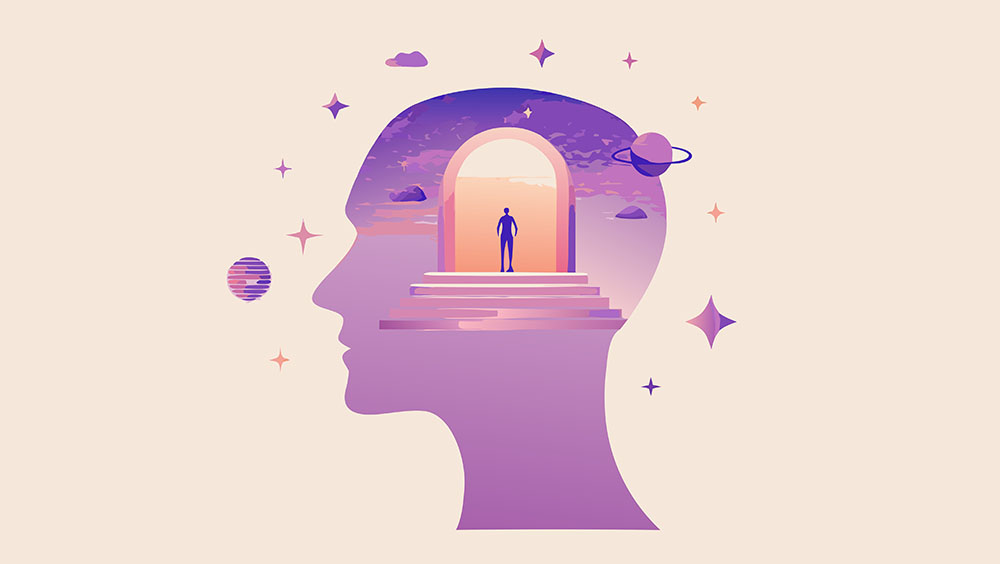
How picturing peace can be just as powerful as living it. Part of the “Wellness Matters” blog series.
As winter storms move through and weather alerts light up our phones, it’s easy to feel stressed. Your body may tense up not just because of what’s happening outside, but because of what you can't help but picture: icy roads, power outages, canceled plans, or worst-case scenarios that haven’t actually happened.
This reaction offers an important clue about how the brain works.
To the brain, imagining is experiencing. The same neural pathways fire whether you experience a real event or imagine one. When you picture something vividly, your body reacts as if it’s happening right now.
Understanding this helps explain why stress can feel so physical. It also points to a simple but powerful way to help your body — and brain — calm down.
What Is Visualization?
Visualization is the act of intentionally picturing an experience in your mind, using your senses to make it feel real.
Imagine a bright, ripe lemon on your kitchen counter. Picture slicing it in half, juice spraying lightly. Cut a wedge, lift it to your nose, inhale the sharp citrus scent, and then bite into it. You may notice that your mouth watered or your cheeks tightened, even though there’s no lemon in sight.
That reaction happens because the brain doesn’t fully distinguish between real sensory input and vivid mental imagery.
Using the Same Shortcut for Calm
The same brain shortcut shows up in everyday life and research. Athletes often imagine themselves running a race or sinking a free throw before competition. Musicians mentally rehearse pieces before playing. Brain imaging studies show that simply imagining an action activates many of the same brain circuits as performing it.
It’s important to remember that if imagining movement or taste can trigger a physical response, so can imagining stressful news or an anxious conversation. The power of imagination goes both ways.
By rehearsing calm, positive imagery, we can shift our physiology toward relaxation, resilience, and well-being.
Try It: Visualize a Peaceful Place
Close your eyes and take a slow breath. Picture a place where you feel comfortable and at ease. It might be a quiet beach, a forest trail, or a cozy chair by the fire. It might be somewhere you’ve been before or somewhere imagined. As you breathe, let the scene come into focus.
Use your five senses to notice the colors, textures, and light. Listen for waves, wind, or crackling wood. Feel the air on your skin, the ground beneath you, the warmth or coolness around you. Breathe slowly as you take it all in.
As you paint this scene in your mind, notice how your body responds. Your heart rate slows, tension eases, and calm settles in.
This practice can be your inner sanctuary — anytime, anywhere. Try it after stressful news, during a tense day, or before sleep. The more you practice, the more your brain encodes peace as your baseline state.
The Takeaway
Just as joy and play can help shift your nervous system, intentionally picturing calm can do the same. If you find stress sneaking up on you, remember that your brain holds a shortcut to calm.
How will you use it for your benefit today?
This article is part of “Wellness Matters,” a blog series created to explore health and wellness issues and share evidence-based tools you can use to strengthen your well-being.
Found it helpful? Subscribe to the “Wellness Matters” newsletter to receive new posts directly in your inbox. Get monthly insights leading up to the webinar, “An Integrative Approach to Stress Management: Practical Tools for Building Resilience and Well-Being,” on April 21, 2026.
About the Author
Michelle Pearce, PhD, is professor and director of the Integrative Health and Wellness certificate program at the University of Maryland School of Graduate Studies.
Dr. Pearce is a clinical psychologist who researches the relationship between religion/spirituality, coping, and health, as well as the integration of spirituality into the practice of psychotherapy. Her areas of clinical expertise include cognitive behavioral therapy, mind-body stress reduction methods, existential issues, and behavioral medicine to address the intersection of mental and physical illness. Read her full biography.